
What is a Composite Lab?
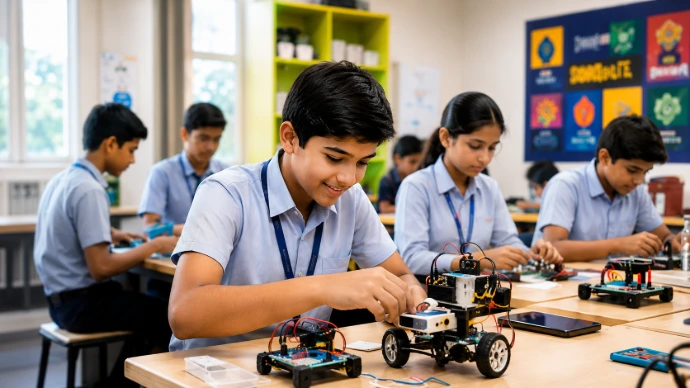
A Composite Skill Lab is an innovative, future-ready learning ecosystem that empowers students through experiential, project-based, and hands-on education. Designed to transform classrooms into dynamic innovation spaces, these labs enable learners to explore, create, and apply knowledge across multiple skill domains using real-world tools, emerging technologies, and collaborative learning experiences.
As envisioned by NEP 2020, NCF-SE 2023, and CBSE Skill Education Guidelines, Composite Skill Labs support multidisciplinary learning and competency-based education. They foster holistic development by providing students with meaningful opportunities to learn through exploration, innovation, and real-life problem solving.
Skill Education Across Three Forms of Work

Work with Life Forms
- Agriculture
- Gardening
- Food production
- Environment
- Plant care
- Sustainability activities

Work with Machines and Materials
- Robotics & Coding
- Electronics
- Design
- Automation
- Material-based project.

Work in Human Services
- Finance
- Healthcare awareness
- Retails
- Hospitality
- Communication
- Entrepreneurship
Developing 21st-Century Skills Through the Composite Skill Lab
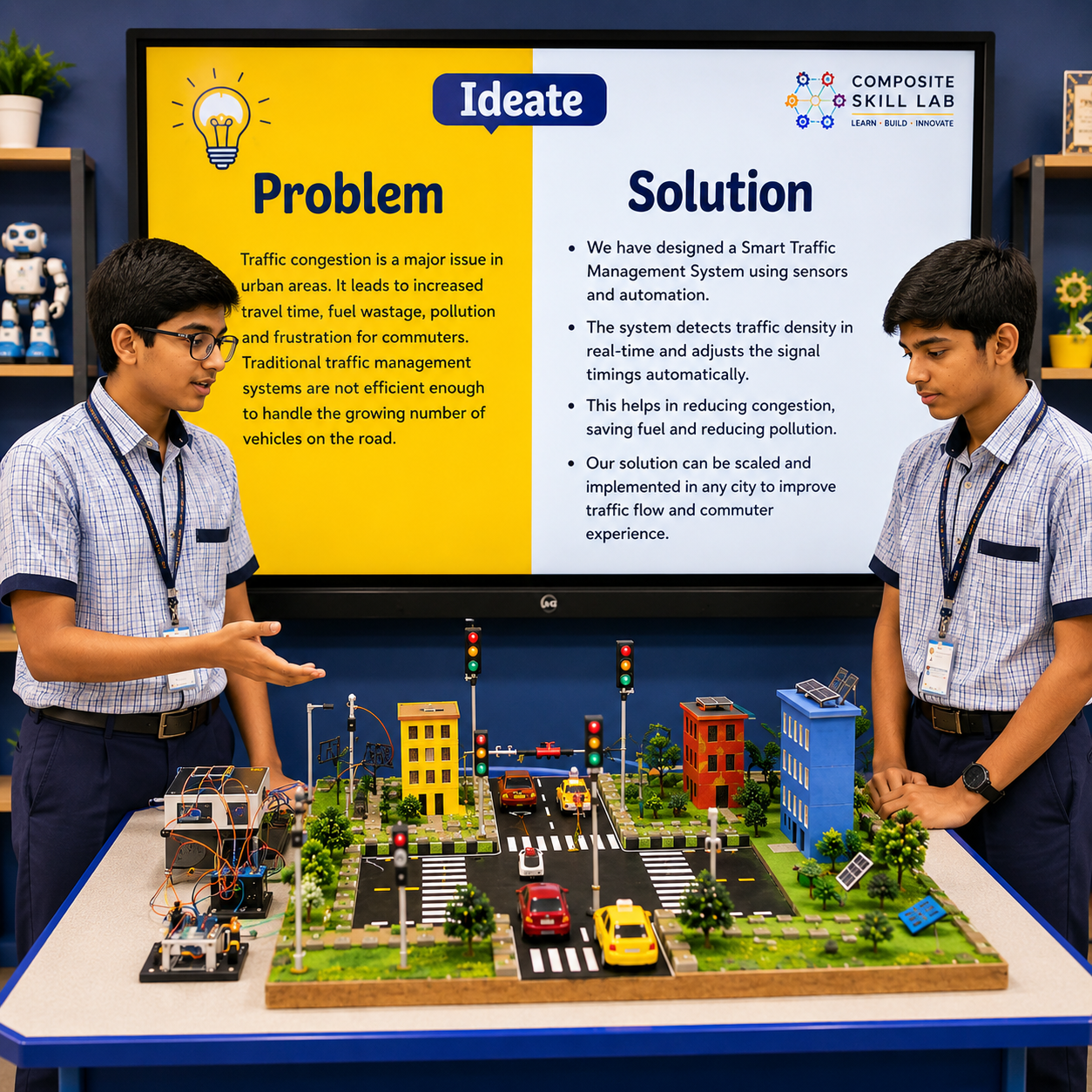
Critical Thinking and Problem Solving
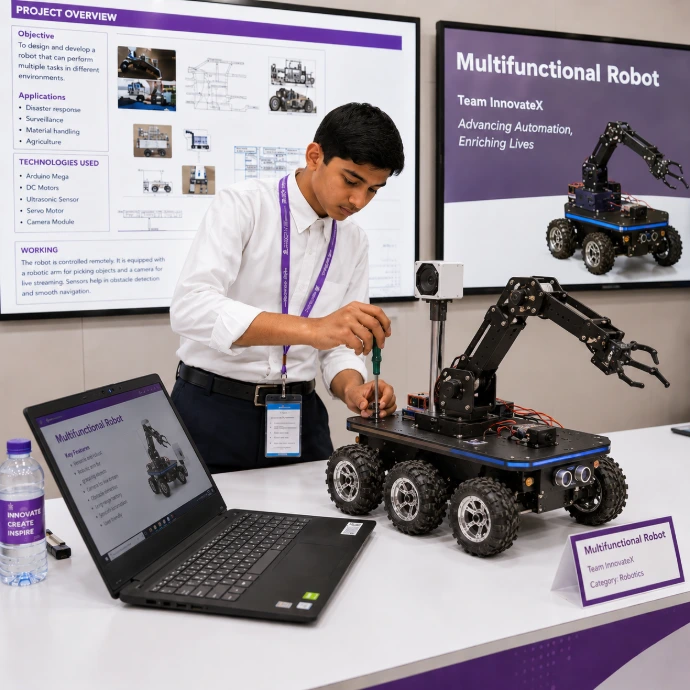
Design Thinking and Innovation

Communication and Collaboration
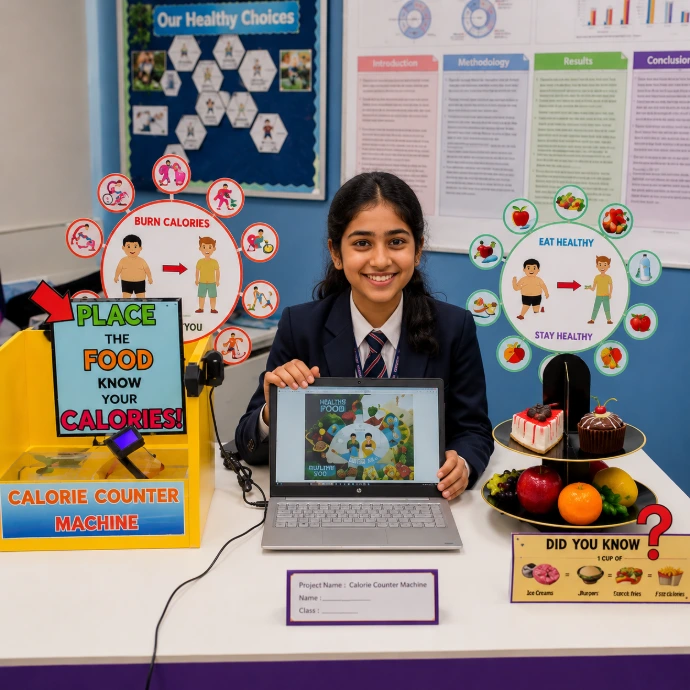
Algorithmic Literacy
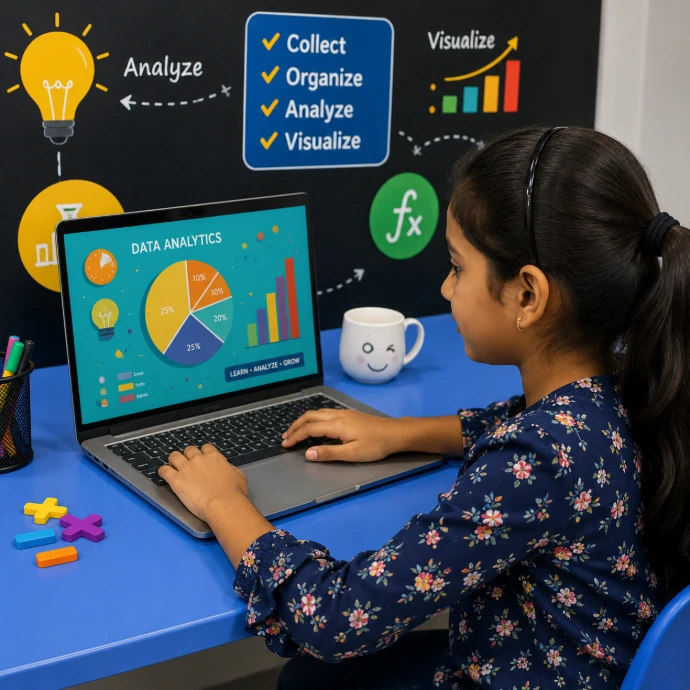
Financial Literacy
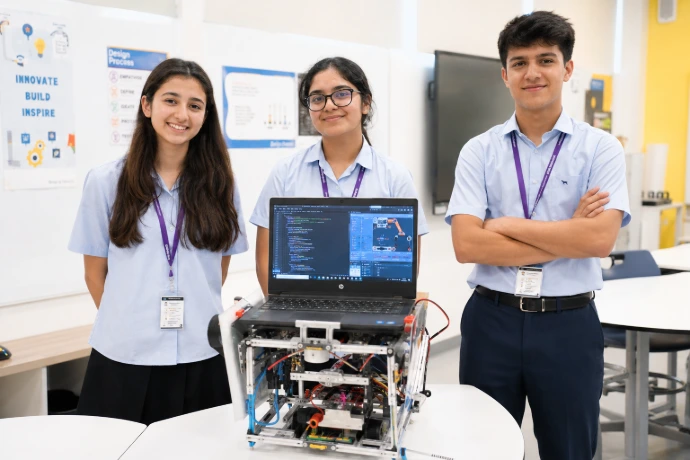
Entrepreneurship
Mandatory Deployment of Composite Skill Labs Across CBSE Schools
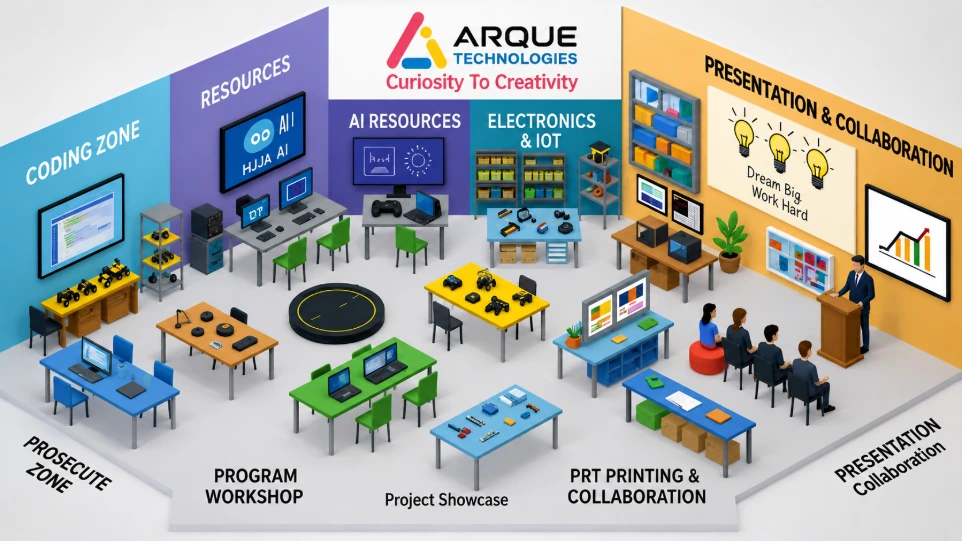
As per the latest CBSE guidelines, all CBSE-affiliated schools are required to establish a Composite Skill Lab to promote experiential and skill-based learning.
- For New CBSE Affiliations: Setting up a fully equipped Composite Skill Lab is a mandatory requirement before a school can obtain CBSE affiliation.
- For Existing CBSE Schools: Schools already affiliated with CBSE must establish a Composite Skill Lab within three years to comply with the updated guidelines.
- Infrastructure Options: Schools may either set up one Composite Skill Lab of at least 600 sq. ft. for Classes VI–XII or create two separate labs of at least 400 sq. ft. each, with one dedicated to Classes VI–X and the other to Classes XI–XII.
This flexible approach allows schools to choose the infrastructure model that best suits their available space while ensuring compliance with CBSE requirements.