
Imagine controlling a robot without touching a keyboard, pressing a button, or using a remote. You simply think about an action, and the robot responds. What once seemed like science fiction is becoming a reality with the development of brain-computer interface (BCI) technology.
Chinese neurotechnology startup BrainCo has unveiled a brain-to-robot platform that it claims can translate brain signals into commands, allowing users to control robots through thoughts using an electroencephalography (EEG) headset.
This development brings together neuroscience, artificial intelligence, robotics, and human-computer interaction, opening new possibilities for how humans may communicate with machines in the future.
What Is Brain-to-Robot Technology?

Brain-to-robot technology is an application of a Brain-Computer Interface (BCI) that enables communication between the human brain and an external machine. Instead of relying entirely on physical movements, voice commands, or conventional controllers, the system uses electrical signals generated by brain activity to identify a user's intended action.
BrainCo introduced its Brain-Controlled Robot AI Platform at the World Artificial Intelligence Conference (WAIC) 2026 in Shanghai on July 17, 2026. During the demonstration, a person wearing an EEG headset controlled a robotic arm to perform tasks such as grasping a cup and picking up an apple.
The platform is described by BrainCo as the world's first integrated brain-to-robot AI research and development platform. This is the company's claim, rather than an independently established ranking of all existing BCI systems.
Unlike traditional robotics systems that require users to operate physical controls, this approach aims to translate neural activity into robotic commands, creating a more direct form of human-machine interaction.
How Does the Brain-Controlled Robot Platform Work?
The platform combines three major technologies: EEG sensors, artificial intelligence, and robotic control systems. Together, they form a process that converts brain activity into physical actions.

Brain Signal Detection
The user wears a non-invasive EEG headset that detects electrical activity from the brain through sensors placed on the scalp. These signals provide information that can help the system identify patterns associated with intended actions.
AI-Based Signal Interpretation
Artificial intelligence algorithms process the recorded signals to identify patterns and decode the user's intended movement or control command. The system translates these patterns into instructions that the robot can understand.
Robot Action and Execution
The decoded instructions are sent to the robot's control system, which carries out the requested movement. This may include moving a robotic arm, reaching for an object, or performing a specific task.
Brain signals → AI interpretation → Robot movement
According to BrainCo, the complete signal-to-action process in its demonstration takes less than 200 milliseconds. This is a company-reported figure and does not, by itself, establish the system's accuracy or reliability across different users and tasks.
The platform is also designed to work with different types of robotic hardware, including robotic arms, humanoid robots, and four-legged robotic dogs. This could allow developers to explore brain-controlled robotics without building an entirely new robot for every application.
The Role of AI in Brain-to-Robot Communication
The most interesting aspect of this technology is not simply the ability to detect brain signals. It is the role of AI in interpreting those signals and converting them into meaningful actions.
The human brain does not naturally produce ready-made digital commands such as move forward, grasp an object, or rotate the arm. EEG systems record complex electrical activity, which can be affected by different factors, including signal noise, user differences, and the task being performed.
AI helps identify meaningful patterns in this activity and translate them into instructions. In BrainCo's proposed Neuro-Embodied-AI framework, the brain-computer interface detects intent, AI interprets and breaks it into actionable steps, and the robot's own control system executes the movement.
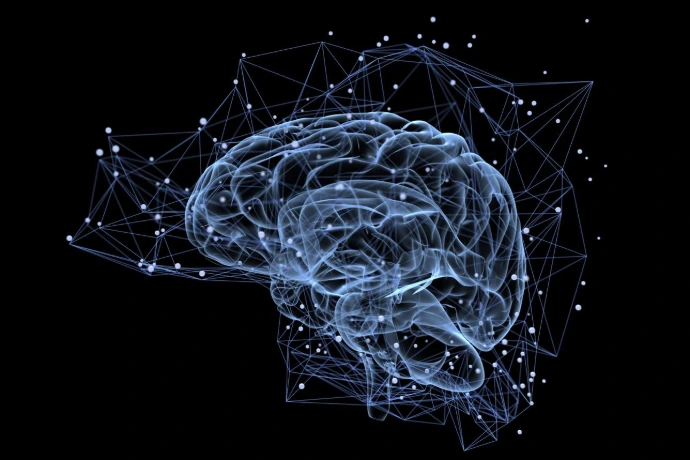
Neuroscience
Captures and processes brain activity to identify patterns related to the user's intended action.
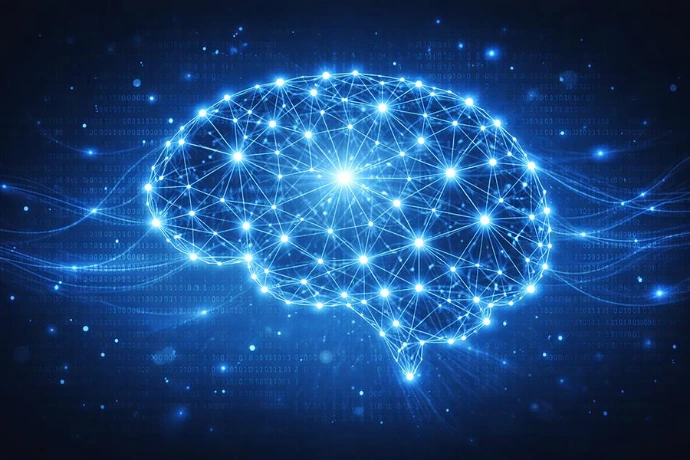
Artificial Intelligence
Interprets the detected patterns and converts them into structured commands for the robot.
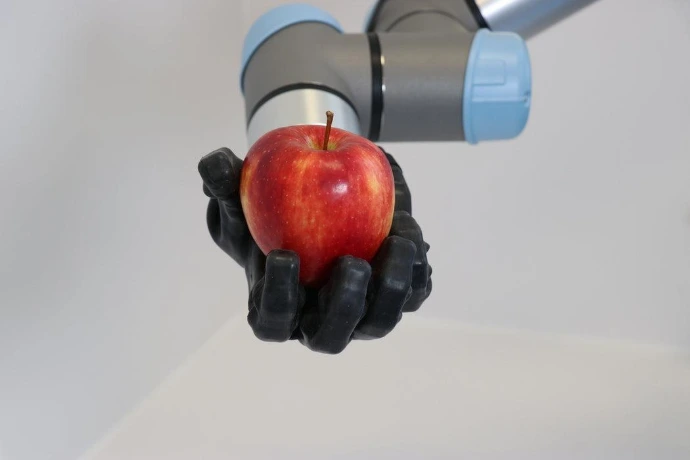
Robotics
Executes the commands through motors, sensors, actuators, and programmed control systems.
This integration represents an important direction in embodied AI, where intelligent systems are designed not only to process information but also to interact with and perform tasks in the physical world.
Why Is This Development Important?
Brain-to-robot technology introduces a different way for humans to interact with machines. It could have applications across healthcare, industrial automation, scientific research, education, and assistive technology.
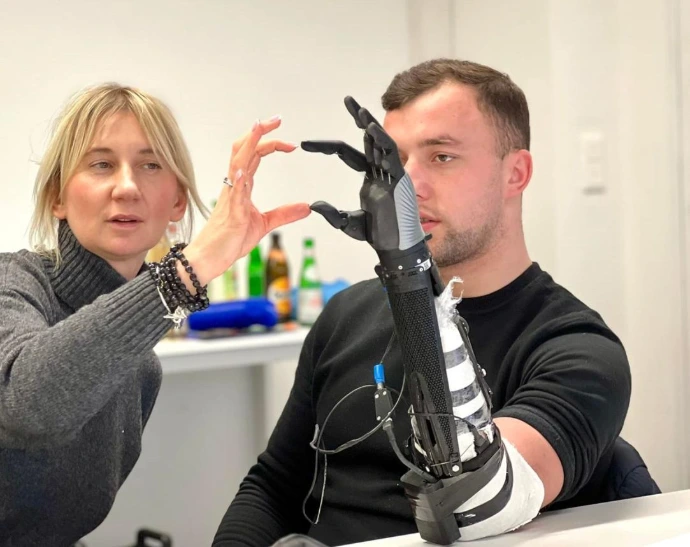
Healthcare and Assistive Technology
Brain-computer interfaces could help people with limited mobility interact with assistive devices and robotic systems. With further development and clinical validation, this technology may support rehabilitation, assistive movement, and greater independence for people with certain physical disabilities.
Industrial Automation
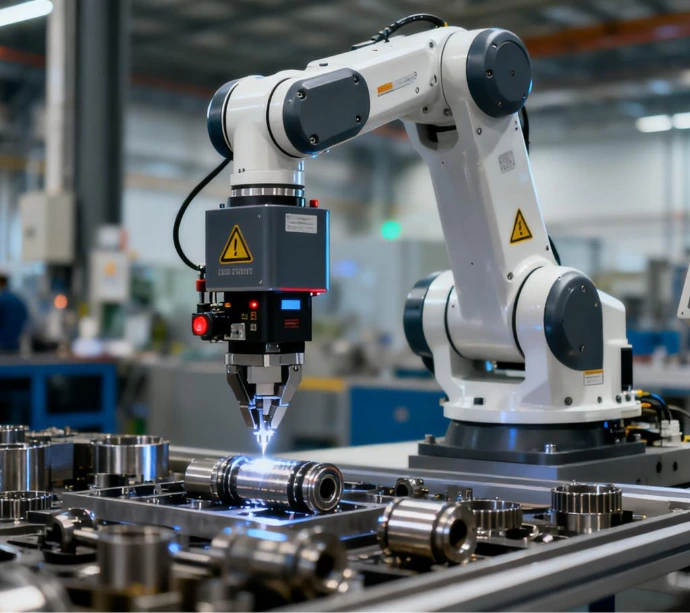
Brain-controlled robots could provide an additional method for human operators to guide robotic systems in precision tasks, hazardous environments, or situations where conventional controls are difficult to use. Practical deployment would require reliable control, safety measures, and appropriate operator training.
Research and Robotics Development
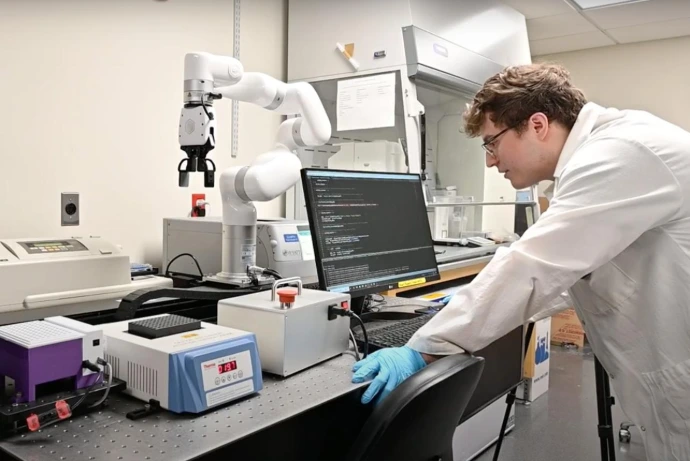
Researchers could explore how robots understand human intentions and respond to them. Brain-to-robot platforms may also provide new ways to collect human demonstrations and study how people interact with intelligent machines.
These are potential application areas, not a guarantee that the platform is currently ready for widespread use in these environments.
Beyond Robot Control: Solving the AI Training Data Challenge

BrainCo's announcement also highlights another important challenge in robotics: collecting high-quality training data.
Robots need extensive examples to learn how to perform physical tasks, especially when those tasks involve delicate objects, complex movements, or changing environments. While simulations can provide useful training experiences, real-world demonstrations are also important for understanding physical interactions.
Alongside its brain-controlled robot platform, BrainCo introduced an Embodied AI Data Collection Solution. According to the company, the system combines real-robot execution data, human demonstrations, virtual simulations, and EEG signals. It uses specialised equipment, including a dual-arm mobile data collection platform and a data collection glove.
This approach could help researchers capture not only the movements involved in a task but also additional information about the human operator's intended actions.
For example, when a person demonstrates how to pick up a fragile object, a robotic learning system may benefit from data about the movement, the interaction with the object, and the intended action. Combining these sources could contribute to developing robots that better understand human demonstrations.
What Are the Limitations of Brain-Controlled Robots?
Although controlling robots through brain signals is a significant technological development, it is important to understand the challenges that remain.
Signal accuracy: EEG signals can be noisy and vary between individuals. Reliably identifying intended actions in different environments remains a technical challenge.
Training and adaptation: Users and AI systems may need calibration and training to achieve consistent communication.
Complex movements: Controlling a simple action, such as moving a robotic arm to grasp an object, is different from coordinating a complex sequence of movements in an unpredictable environment.
Safety and reliability: Robots operating through interpreted brain signals need safeguards to prevent unintended movements, particularly when interacting with people or handling dangerous equipment.
Privacy and data protection: Brain activity is highly personal data. Systems that capture and process neural signals need appropriate consent, secure data handling, and transparent privacy practices.
The platform's public demonstration establishes that brain-signal-based robot control is possible in a showcased setting. However, broader independent testing would be needed to assess its accuracy, repeatability, performance across different users, and suitability for real-world deployment.
Brain-to-Robot Technology and the Next Stage of Human-Machine Interaction

BrainCo's brain-to-robot platform reflects a broader shift in robotics: from machines that follow predefined instructions towards systems designed to interpret human intent and collaborate with people.
As AI becomes increasingly integrated into physical machines, the way humans communicate with robots may evolve beyond keyboards, remote controls, touchscreens, and voice commands. Brain-computer interfaces offer one possible route towards more direct communication, particularly in situations where conventional physical interaction is limited.
However, the future of this technology will depend on more than successful demonstrations. Improvements in signal interpretation, affordability, user comfort, safety, privacy, and reliable performance will be essential for its wider adoption.
For educators, students, researchers, and technology developers, this field also highlights the growing importance of interdisciplinary learning. The next generation of robotics innovators may need to understand not only coding and electronics but also AI, neuroscience, data science, and human-centred design.
When Human Intent Becomes a Robot's Instruction
The idea of controlling robots with thoughts is no longer limited to science fiction. BrainCo's Brain-Controlled Robot AI Platform, demonstrated at WAIC 2026, showcases how EEG technology and artificial intelligence can work together to translate neural signals into robotic actions.
While the technology is still developing and its broader capabilities require further validation, it introduces new possibilities for assistive technology, robotics research, industrial applications, and STEM education.
The bigger question is no longer just how intelligently a robot can operate on its own. It is also how effectively a robot can understand and respond to the intentions of the person working with it.
As neuroscience, AI, and robotics continue to advance, brain-to-robot communication could become an important part of the evolving relationship between humans and intelligent machines.